Solar PV: how it works and what affects it
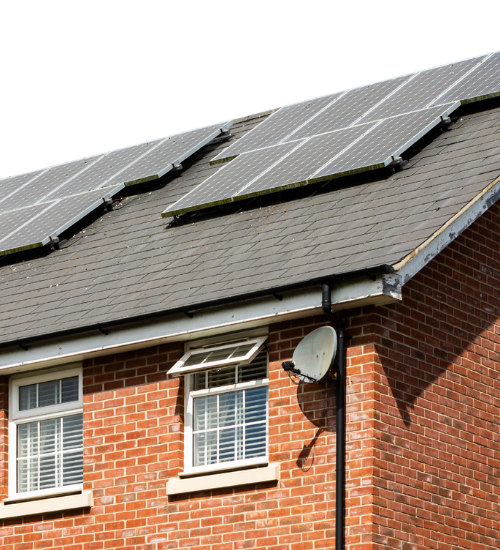
Solar panels turn daylight into electricity you use first, before drawing from the grid. Your generation depends on roof direction, pitch, shading and the seasons; your savings depend on how much of that electricity you actually use yourself.
The key points
- Panels run on daylight, not just direct sun
- South is best; east and west still work and spread output across the day
- Self-consumption drives savings — a battery or shifting usage helps
- Export earns you money under the Smart Export Guarantee
- Projected figures are evidence-based estimates, confirmed by survey
How a solar system works
Daylight hits the panels and the photovoltaic cells produce direct-current electricity. An inverter converts it to the alternating current your home uses. Your appliances take the solar first; if they need more, the shortfall comes from the grid; if there’s a surplus, it’s exported (and paid for) or stored in a battery.
What affects how much you generate
- Direction: south is ideal; east/west arrays generate less at noon but more early and late
- Pitch: around 30–40° is typical for the UK
- Shading: chimneys, trees and neighbouring roofs matter, especially in winter
- Season: strong spring to autumn, modest in deep winter
What affects how much you save
Generation is only half of it. The savings come from using your own electricity rather than exporting it cheaply. Running the dishwasher, washing machine or an EV charge during the day, and adding a battery where it stacks up, all raise self-consumption.
Reading a solar quote honestly
Look for modelled generation for your specific roof, a realistic self-consumption assumption, every warranty in writing, and a clear split between savings and export income. Be wary of round numbers and ‘slash your bills’ language.
See the solar PV service page or start your home assessment.
More in this guide

Do solar panels work in Yorkshire?
Yes. Solar panels generate from daylight, and a well-designed system on a Yorkshire home produces a useful amount of electricity across the year —…
Read moreQuestions
Do solar panels work on cloudy days?
Yes, at reduced output. Diffuse daylight still generates electricity.
How many panels do I need?
Enough to match your usage without large wasted export. We size it from your consumption, not a rule of thumb.
What maintenance do they need?
Very little — an occasional check and clean. Monitoring flags any drop in output.