Plain-English guides to air-to-air heat pumps, air-to-water heat pumps, solar and battery storage, written to answer the questions homeowners actually ask, not to push a product.
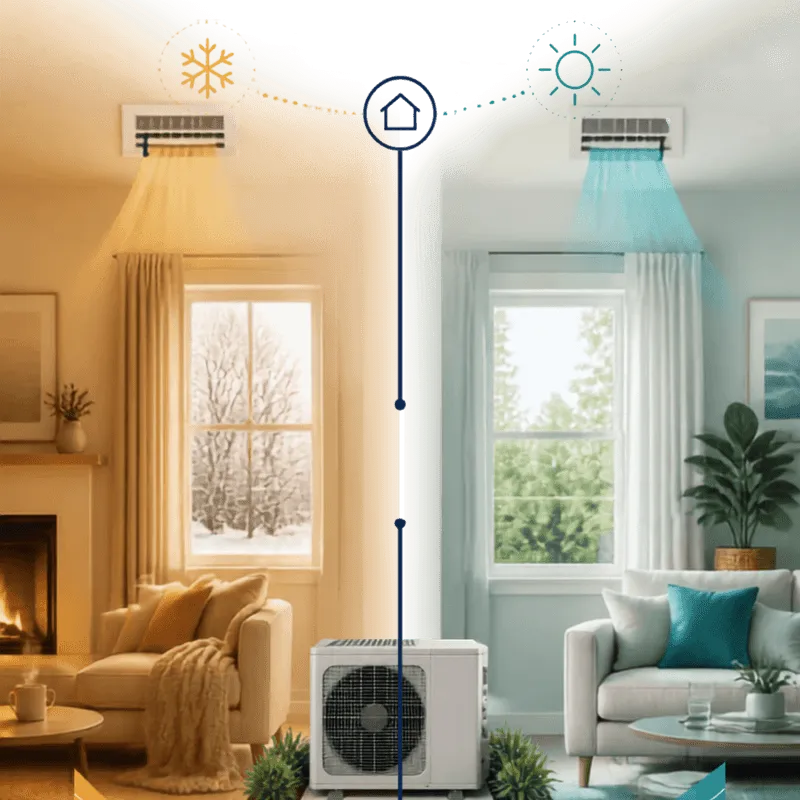
Yes, an air-to-air heat pump provides proper, controlled cooling in summer as well as heating in winter. An air-to-water heat pump is mainly a heating system and only some models offer limited cooling.
Read the guide
In most suitable homes, yes, an air-to-water heat pump can fully replace a gas, oil or LPG boiler for heating and hot water. The condition is a proper assessment and a system designed for the lower running temperature.
Read the guide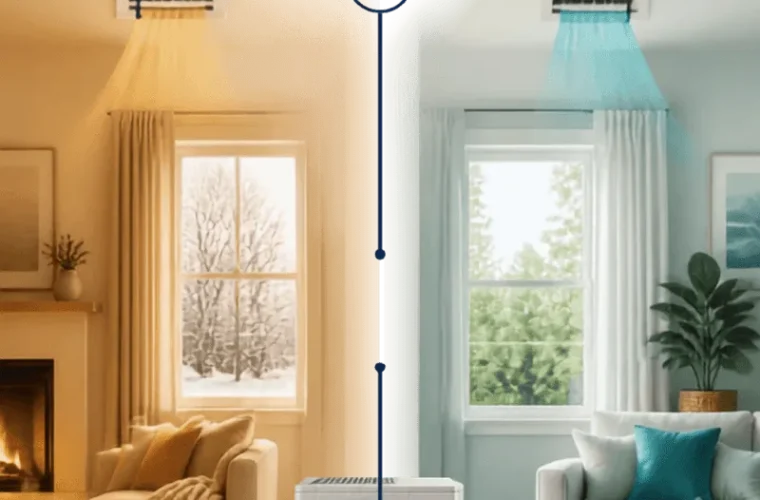
For heating, an air-to-air heat pump is one of the cheapest ways to heat a room with electricity, delivering several units of heat per unit used. Cooling adds electricity use but is far more efficient than a portable unit.
Read the guide
Yes. Solar panels generate from daylight, and a well-designed system on a Yorkshire home produces a useful amount of electricity across the year, strongest from spring to early autumn, lower but not zero in winter.
Read the guide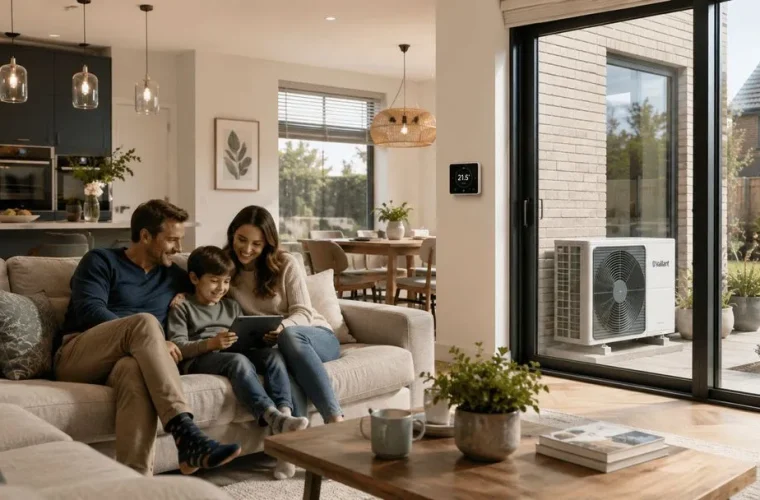
Start with cheap fixes: bleed and balance radiators, free the valve and stop draughts. If the room is still cold, upsize the radiator, add one, or fit a separate system such as an air-to-air heat pump, which also cools in summer.
Read the guideNot always. A battery is worth it when it shifts enough electricity from cheap or free to expensive to pay its way, or when backup in a power cut matters to you. That depends on your usage, tariff and solar output, not a blanket rule.
Read the guideWith a compatible inverter, a backup gateway and planned wiring, a solar and battery system can keep agreed essential circuits running in a power cut. Without them, most systems switch off when the grid goes down.
Read the guide
An air-to-air heat pump is a reversible air conditioner: it cools in summer and heats efficiently in winter. Cooling-only systems and portable units only cool, and portable units are noisier and less effective.
Read the guide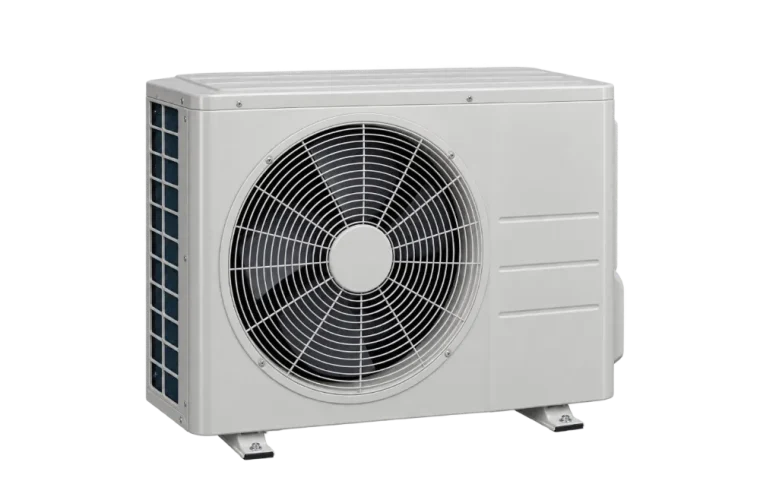
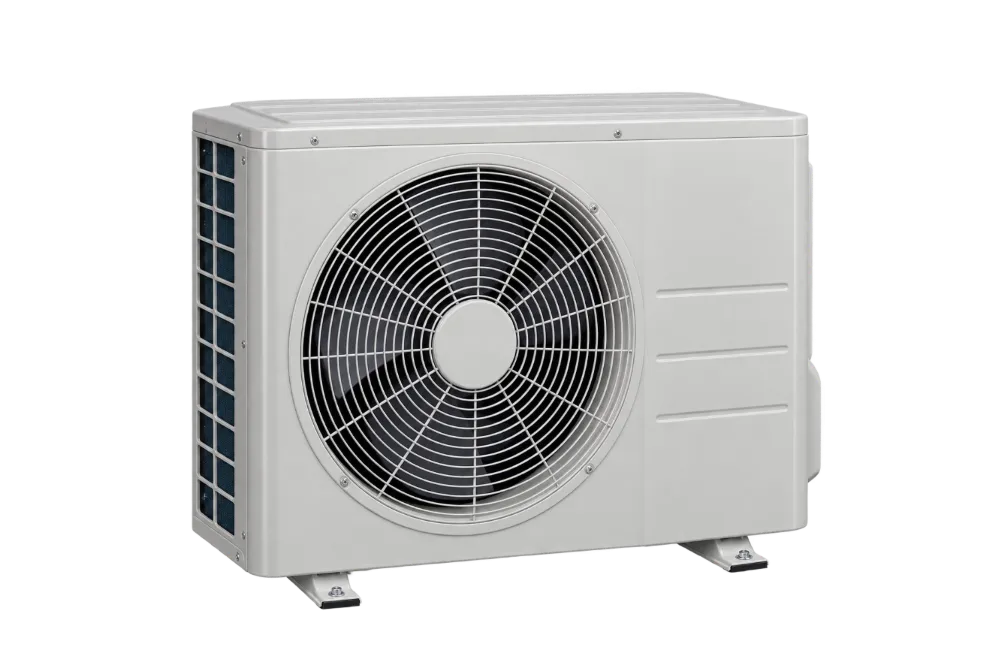
Quiet indoors: indoor units make a soft airflow sound, and some are rated around 20 dB(A) on their lowest setting. The outdoor unit hums when working hard, so its position matters for you and your neighbours.
Read the guide
It depends mainly on the number of rooms, the size and type of indoor units and the pipe runs. A single room is the most affordable start. You get an indicative cost after a short remote assessment, then a firm written price.
Read the guide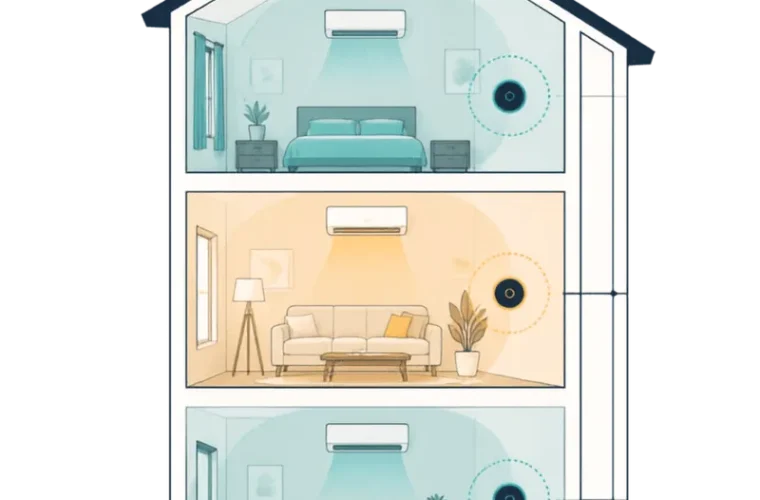
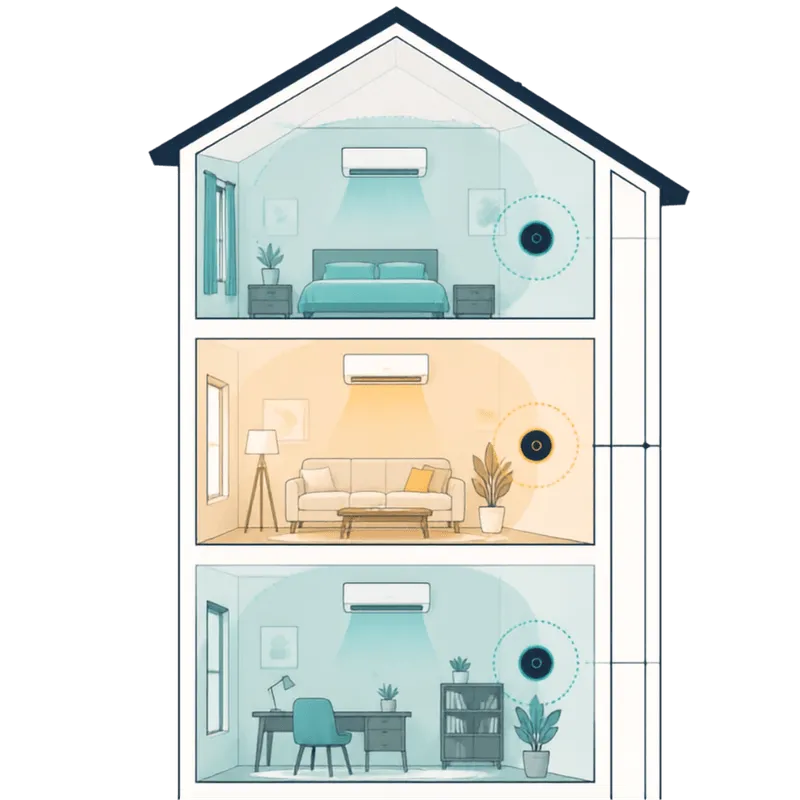
A multi-split air-to-air system connects one outdoor unit to several indoor units, each with its own controls, giving room-by-room heating and cooling with fewer units outside. The alternative is one outdoor unit per room.
Read the guide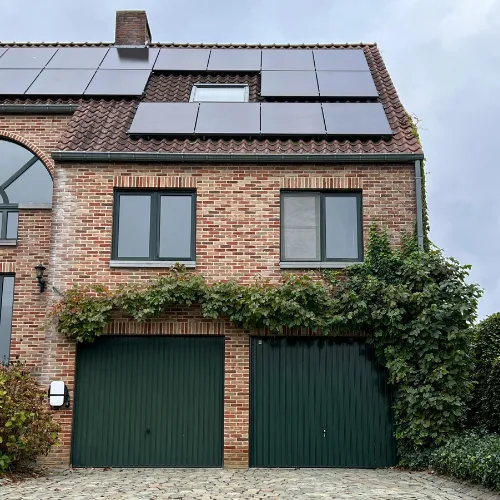
It depends on the number of panels, the inverter, whether a battery is included and how easy the roof is to reach. Below: what drives the price, how VAT applies and how to read a solar quote properly.
Read the guide
Block the sun, ventilate when it is cooler outside, then use a fan. If the room still overheats every summer, an air-to-air heat pump properly cools and heats it, quietly. Portable air conditioners work but are noisy and less effective.
Read the guideThere is no single best battery. In our range Hanchu is the lower-cost entry point, Fox ESS our preferred middle option and Sigenergy the largest storage. Size the battery to your usage first, then choose the system.
Read the guide
The Boiler Upgrade Scheme is a government grant in England and Wales towards replacing fossil-fuel heating with a heat pump. The MCS-certified installer applies and deducts it from your price; you do not claim it yourself.
Read the guideA few minutes of questions about your home, your heating and the rooms you use most. No pressure, no obligation.
Start your home assessment