How noisy is an air-to-air heat pump?
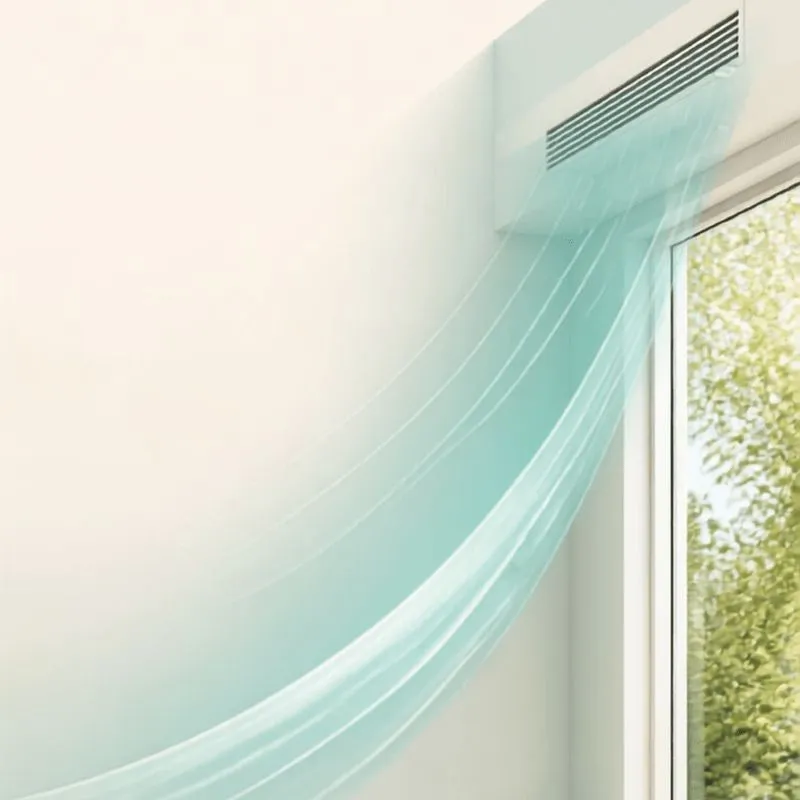
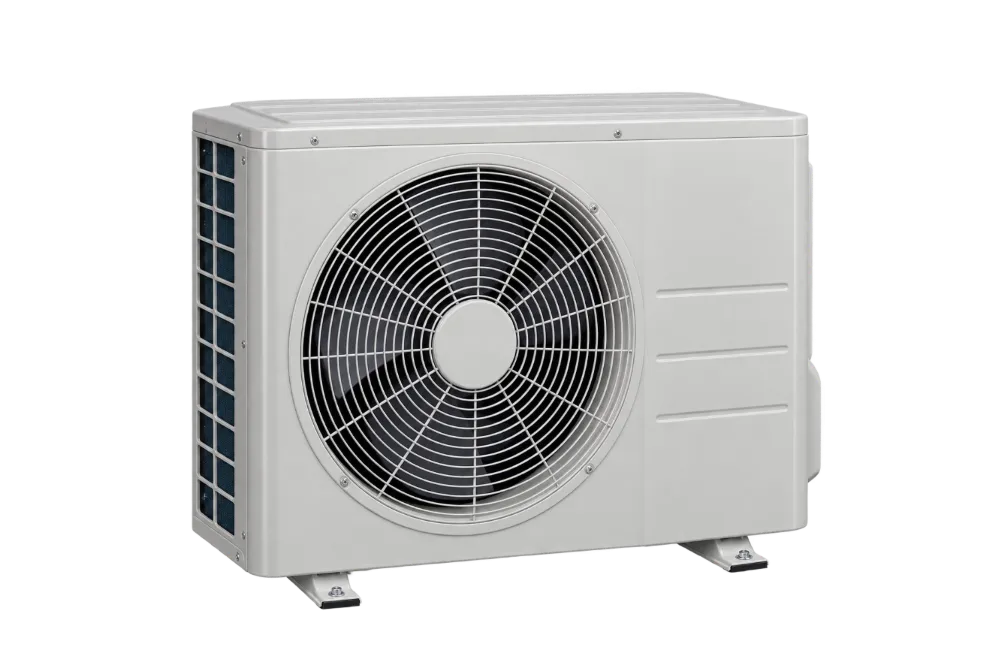
Quiet indoors: indoor units make a soft airflow sound, and some are rated around 20 dB(A) on their lowest setting. The outdoor unit hums when working hard, so its position matters for you and your neighbours.
The key points
- The compressor and main fan are outside, not in the room
- Night and quiet modes reduce indoor noise further
- Site the outdoor unit away from bedroom windows and tight corners
- Anti-vibration mounts stop noise travelling through walls
- Permitted development includes a noise check at neighbours' windows
The short answer
Quiet indoors, with a low hum outside. Indoor units make a soft airflow sound; on their lowest fan setting some are rated around 20 dB(A), close to a whisper. The outdoor unit, which holds the compressor and a fan, is louder, so where it goes matters for you and your neighbours. Positioned sensibly, most people stop noticing it.
Indoors
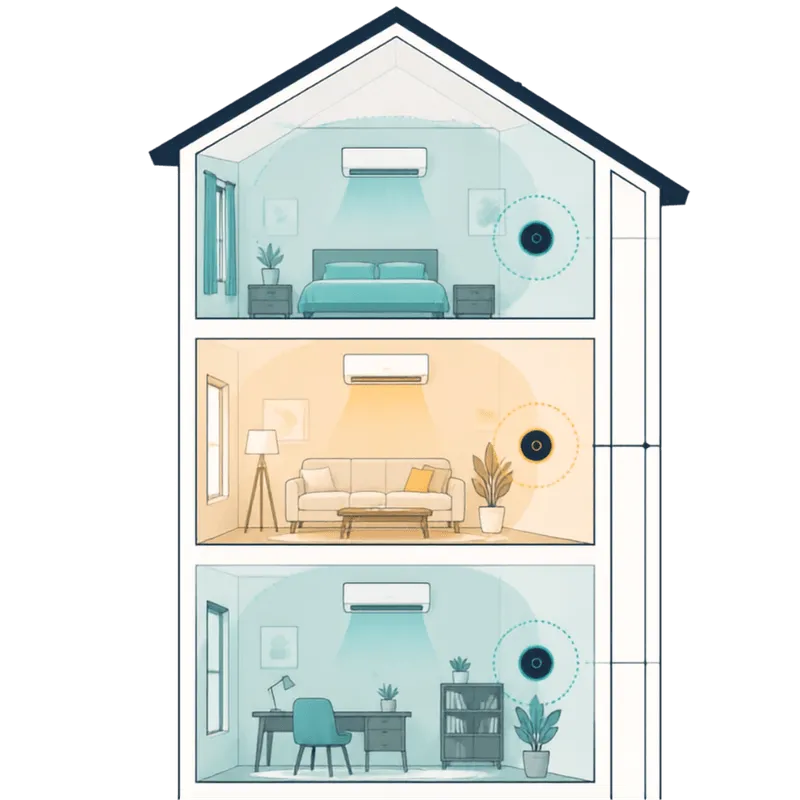
The noisy parts (compressor and main fan) are outside. Indoors you hear air moving, more at high fan speeds and less on quiet or night modes, which most units have. If you’re a light sleeper, look at the unit’s rating on its lowest setting and use night mode in the bedroom.
Outdoors
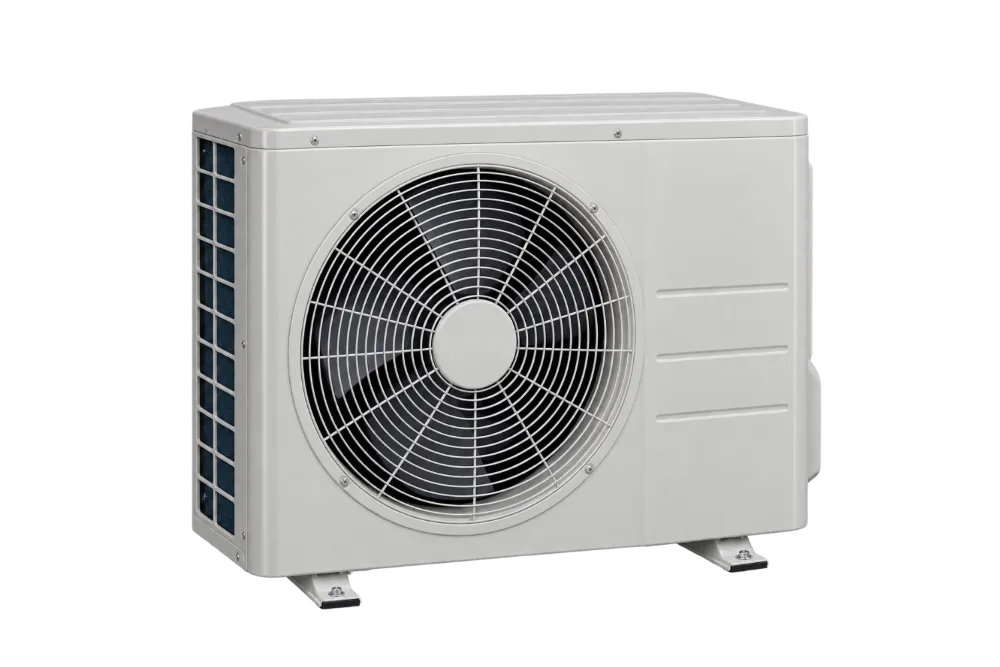
The outdoor unit hums when it’s working hard: on cold mornings when heating, and hot afternoons when cooling. It’s quieter in between. Manufacturers publish a sound power or sound pressure figure; ask for both the unit’s rating and how it compares at the distance of your nearest window.
Where the outdoor unit goes
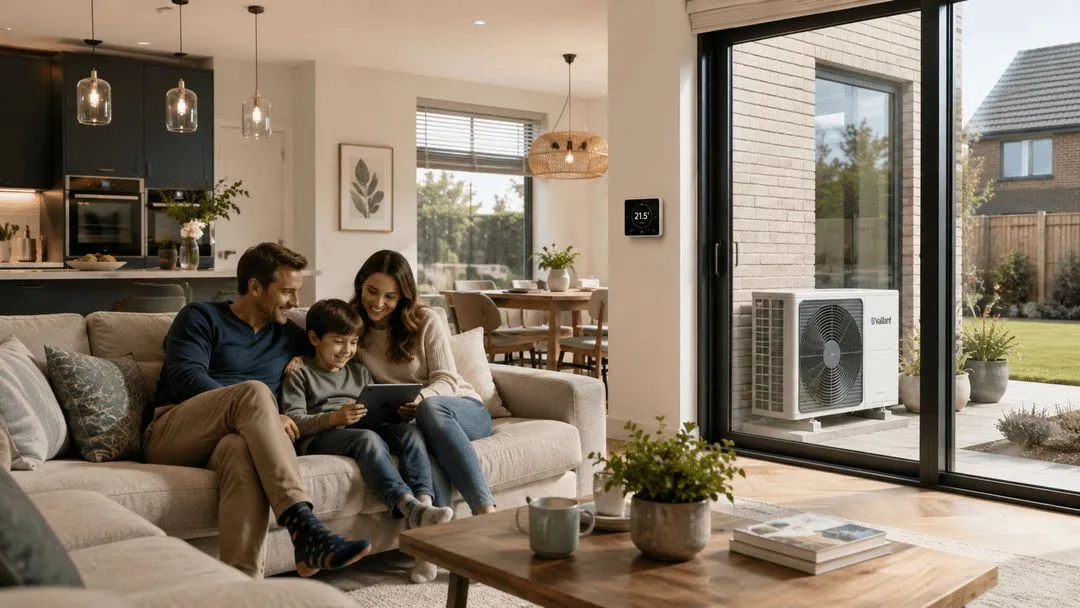
- Away from bedroom windows, yours and your neighbours’.
- Not boxed into a corner or tight alcove, which reflects and amplifies sound and restricts airflow.
- On a solid base or anti-vibration mounts, so it doesn’t transmit vibration through the wall.
- With room to breathe around it, as the manufacturer specifies.
Planning and noise rules
In England, most houses can install an outdoor unit under permitted development, provided it meets size and siting limits and the MCS planning standard (MCS 020), which checks noise at the nearest neighbouring window. Flats, listed buildings and some conservation areas follow different rules. The Planning Portal has the current position, and we check it for your home before anything is agreed.
Keeping it quiet over the years
Clean the indoor filters, keep leaves and debris clear of the outdoor unit, and have it serviced as the manufacturer recommends. A unit that suddenly gets louder usually needs a check, not more volume tolerance.
Worried about where a unit would go at your house? Start your home assessment and we’ll look at it with you. More on air-to-air heat pumps.
Sources
Questions
Can I sleep with it on?
Most people can, using night or quiet mode. Check the unit's rating on its lowest fan speed.
Will my neighbours hear the outdoor unit?
Possibly when it's working hard. Careful positioning and the MCS 020 noise check keep it reasonable.
Why has my unit got louder?
Usually dirty filters, debris around the outdoor unit or a fault. Have it checked.
Get advice for your home
Answer a few questions about your home for a straight answer on what suits it, or send us a short message. No pressure, no obligation.

Or send a quick message instead
Thank you, that’s with our team
Someone will be in touch in the way you asked. No pressure, no obligation.