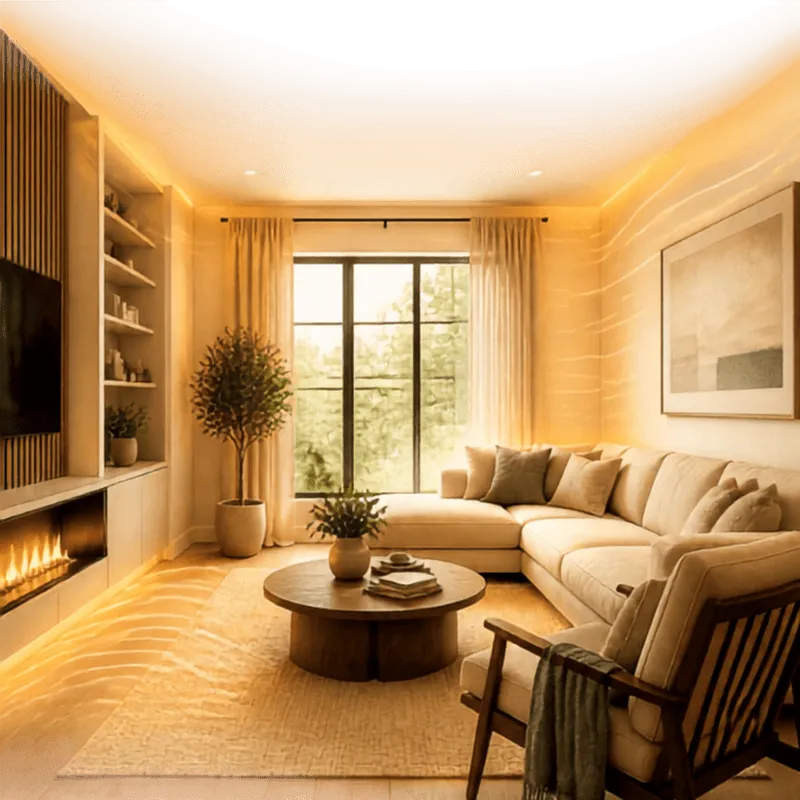
How to heat a cold room the central heating doesn’t reach
Start with cheap fixes: bleed and balance radiators, free the valve and stop draughts. If the room is still cold, upsize the radiator, add one, or fit a separate system such as an air-to-air heat pump, which also cools in summer.

The key points
- Find out why the room is cold before spending money
- Bleeding, balancing and draught-proofing cost little and often help
- A bigger radiator suits rooms that are simply under-heated
- Loft rooms, extensions and garden offices often suit air-to-air
- Portable heaters are the most expensive long-term fix
The short answer
Start with the cheap fixes: bleed and balance the radiators, check the valve, stop the draughts. If the room is still cold, the usual answers are a bigger radiator, an extra radiator off your central heating, or a separate system such as an air-to-air heat pump, which also cools the room in summer. Which is right depends on why the room is cold.
First, find out why
- The radiator is too small for the room, common in extensions and rooms with large windows.
- The system isn’t balanced, so radiators near the boiler take most of the heat and the far rooms get little.
- Air or sludge in the radiator: cold at the top usually means air; cold at the bottom often means sludge.
- Heat is escaping through draughts, a poorly insulated loft, external walls or single glazing.
- The room was never on the heating: loft conversions, garden rooms and some extensions.
Fixes, cheapest first
- Bleed the radiator if it’s cold at the top, then check the boiler pressure.
- Balance the system so far rooms get their share. A heating engineer can do this in an hour or two.
- Check the thermostatic valve. A stuck valve pin is common and cheap to free or replace.
- Draught-proof doors, windows, floorboards and the loft hatch.
- Upsize the radiator to a double- or triple-panel model of the same width.
- Add a heat source if the room still can’t keep up, or was never connected.
When a separate system makes sense
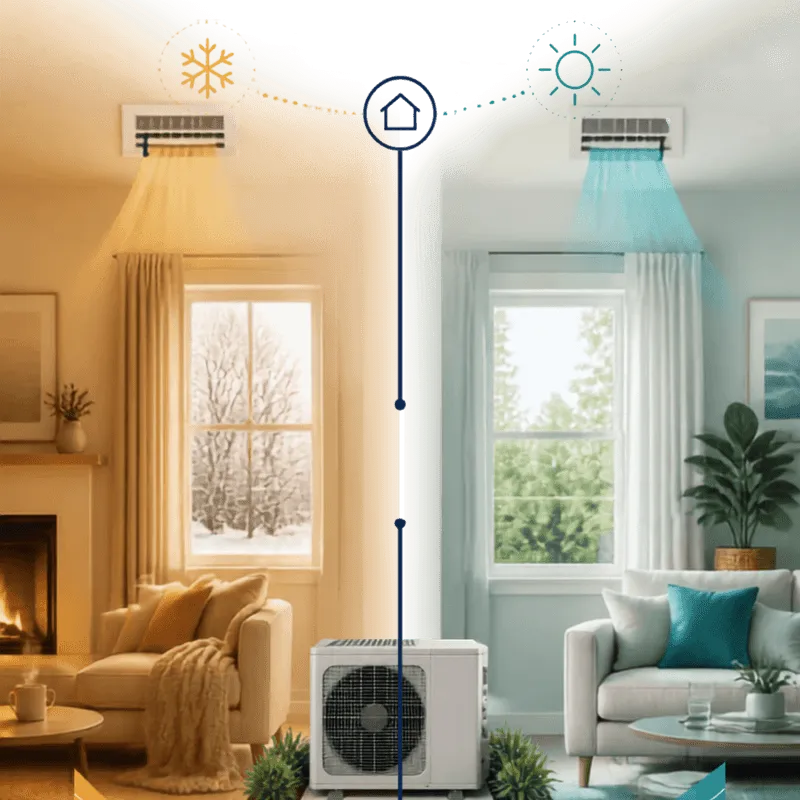
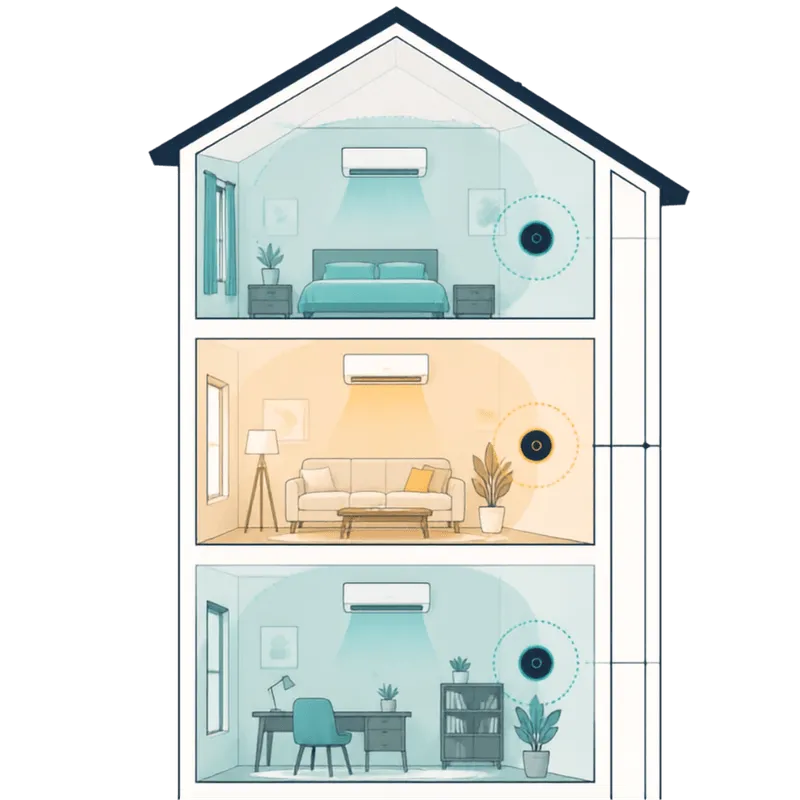
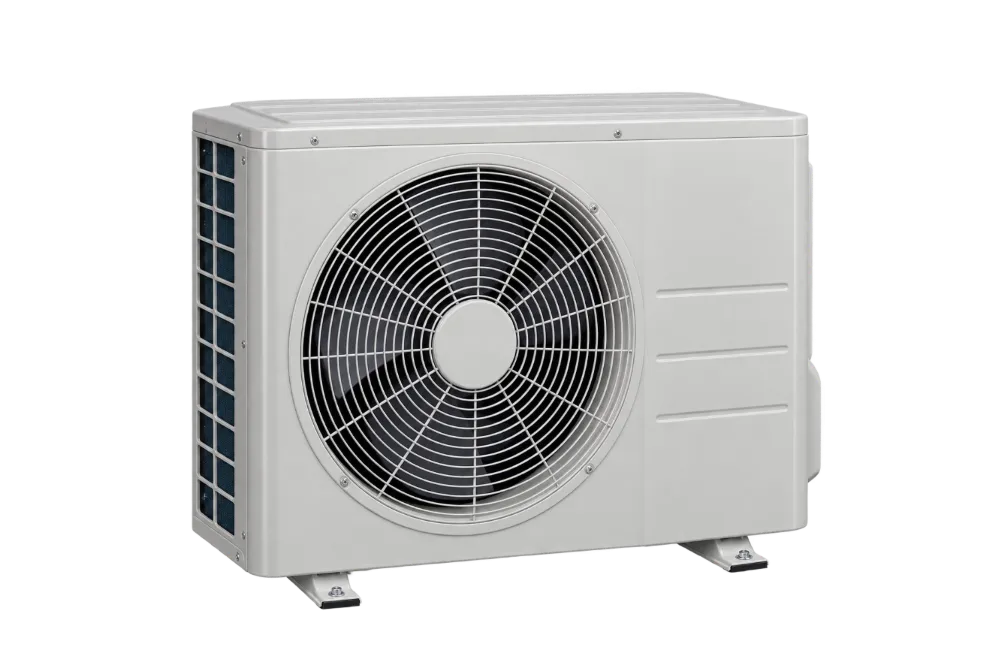
If the room is a loft conversion, an extension, a garden office, or simply uncomfortable in both winter and summer, an air-to-air heat pump is often the neatest answer. It heats efficiently (several units of heat per unit of electricity), has its own controls, cools the room in summer, and needs no new pipework to your boiler. See what it costs to run.
If it’s only a few cold weeks a year and the room is small, a well-controlled electric radiator can be the simpler choice. It costs less to buy but more to run.
What not to do
Don’t rely on portable heaters as a long-term fix: they’re the most expensive way to make heat with electricity. And don’t turn the whole central heating up to rescue one room; you’ll pay to overheat the rest of the house.
If you’d like a straight answer for your room, start your home assessment. We’ll tell you if a cheaper fix is the right one.
Sources
Questions
Why is one room always colder than the rest?
Usually an undersized radiator, an unbalanced system, air in the radiator, or heat escaping through draughts and poor insulation.
Will turning the thermostat up help?
It heats the whole house more to warm one room, which costs more. Fix the cold room instead.
Can I add a radiator to my central heating?
Often, yes, if the boiler and pipework have capacity. A heating engineer can check.
Is an air-to-air heat pump worth it for one room?
It can be, especially for loft rooms and extensions that are uncomfortable in summer too.
Get advice for your home
Answer a few questions about your home for a straight answer on what suits it, or send us a short message. No pressure, no obligation.

Or send a quick message instead
Thank you, that’s with our team
Someone will be in touch in the way you asked. No pressure, no obligation.